
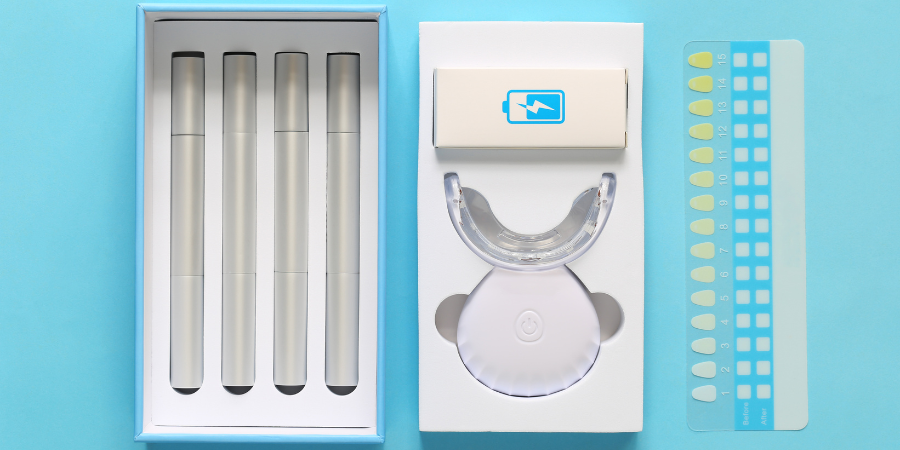
A bright, white smile is often associated with confidence, good oral hygiene, and overall health. As a result, teeth whitening has become one of the most popular cosmetic dental treatments worldwide. While professional dental whitening procedures remain highly effective, modern at-home whitening kits have evolved significantly and now offer convenient solutions for many people.
In 2026, teeth whitening technology continues to advance, with improved formulations, better safety standards, and multiple treatment options designed for different needs. However, not all whitening methods work the same way, and choosing the right approach requires understanding the ingredients, treatment types, benefits, and potential side effects.
This guide explains everything you need to know about teeth whitening kits, how they work, their advantages and disadvantages, and what dentists recommend for safe whitening at home.
Before discussing whitening methods, it is important to understand why teeth lose their natural brightness.
| Cause | Description |
|---|---|
| Coffee & Tea | Dark pigments can gradually stain enamel. |
| Tobacco Use | Nicotine and tar create yellow or brown discoloration. |
| Red Wine | Contains tannins that contribute to staining. |
| Aging | Enamel becomes thinner over time, exposing darker dentin. |
| Poor Oral Hygiene | Plaque and tartar accumulation affect tooth color. |
| Certain Medications | Some antibiotics and medical treatments can cause discoloration. |
| Genetics | Natural tooth shade varies from person to person. |
Tooth discoloration is generally classified into:
These occur on the outer surface of teeth due to food, drinks, and smoking.
These develop inside the tooth structure and are often harder to remove without professional treatment.
Most whitening kits use active ingredients that penetrate enamel and break down stain molecules.
The whitening process works through oxidation, which helps remove discoloration and lighten the appearance of teeth.
| Ingredient | Purpose |
| Hydrogen Peroxide | Breaks down stains quickly and effectively. |
| Carbamide Peroxide | Releases hydrogen peroxide gradually for slower whitening. |
| Natural Whitening Agents | Used in some peroxide-free formulas. |
| Potassium Nitrate | Helps reduce tooth sensitivity. |
| Fluoride | Supports enamel strength. |
Dentists generally recommend following instructions carefully because excessive use can increase sensitivity and gum irritation.
Several whitening options are available, each designed for different lifestyles and preferences.
Whitening strips are thin flexible strips coated with whitening gel.
These trays are filled with whitening gel and placed over teeth for a specified time.
LED whitening systems combine whitening gel with blue or red LED light technology.
Whitening pens contain concentrated whitening gel applied directly to teeth.
These systems use trays designed specifically for an individual’s teeth.
| Method | Ease of Use | Cost | Whitening Strength | Convenience |
| Whitening Strips | High | Low | Moderate | High |
| Whitening Trays | Moderate | Moderate | High | Moderate |
| LED Kits | Moderate | High | High | High |
| Whitening Pens | Very High | Low | Mild | Very High |
| Custom Trays | Moderate | High | Very High | Moderate |
Most modern whitening kits are considered safe when used according to manufacturer instructions.
Dental experts emphasize the importance of:
People with untreated dental issues should consult a dentist before whitening.
While whitening is generally safe, some temporary side effects can occur.
The most common side effect.
Symptoms may include:
Usually resolves within a few days.
Can occur when whitening gel contacts gum tissue.
Signs include:
Following application instructions helps minimize this risk.
Results vary depending on:
| Lifestyle Factors | Estimated Results Duration |
| Excellent Oral Care | 12–24 months |
| Moderate Staining Habits | 6–12 months |
| Frequent Coffee or Smoking | 3–6 months |
Regular maintenance helps preserve whitening results.
After whitening, dentists recommend:
Reduce consumption of:
Routine dental cleanings help remove surface stains before they become severe.
Whitening may not be suitable for everyone.
Consult a dentist before treatment if you have:
A professional evaluation can determine the safest option.
At-home kits are effective for many people, but professional treatment may be more appropriate if:
Professional treatments typically use stronger whitening agents and customized treatment plans.
The whitening industry continues to evolve.
Emerging trends include:
Manufacturers are increasingly focusing on balancing whitening effectiveness with long-term oral health.
Teeth whitening kits have become more advanced, safer, and easier to use than ever before. Whether you choose strips, trays, LED systems, whitening pens, or custom-fit solutions, understanding how these products work is essential for achieving safe and effective results.
The best whitening approach depends on your oral health, sensitivity level, lifestyle, and whitening goals. While at-home kits can successfully brighten teeth and improve confidence, maintaining good oral hygiene and consulting a dental professional when needed remains the foundation of a healthy, attractive smile.
By selecting an appropriate whitening method and following proper dental care practices, individuals can enjoy long-lasting results while protecting their enamel and overall oral health.